FIBER: HOW TO BE FULL OF IT AND FEEL GOOD!
 | Week 1: Getting to Know Fiber |
Welcome to Fiber:
How to be full of it and feel good! To begin the program we are going to be taking a 24-hour recall. This is a list of all the types of foods and amounts you have eaten in the past 24 hours. Click here to see a 24-hour recall form. After we assess your diet, you will be able to see if you are meeting the adequate intake of fiber per day. We would also like to gain information on your Body Mass Index (BMI), blood pressure, and family history. This will help us, and yourself, to learn where improvements need to be made to create a healthier you! At the bottom of the page you will find a mini pre-quiz to assess your knowledge about fiber. From the results we will know what fiber information is important to focus on and incorporate it into our fiber-based program.
What is fiber?
- Dietary fiber is the term for several materials that make up parts of plants your body can't digest. Fiber is classified as soluble and insoluble. Soluble fiber partially dissolves in water. Insoluble fiber does not dissolve in water. These differences are important when it comes to fiber's effect on your risk of developing certain diseases.
Why do I need fiber in my diet?
- Fiber is found to have numerous health benefits, including disease prevention and lowering LDL (bad) cholesterol
What food sources is fiber found?
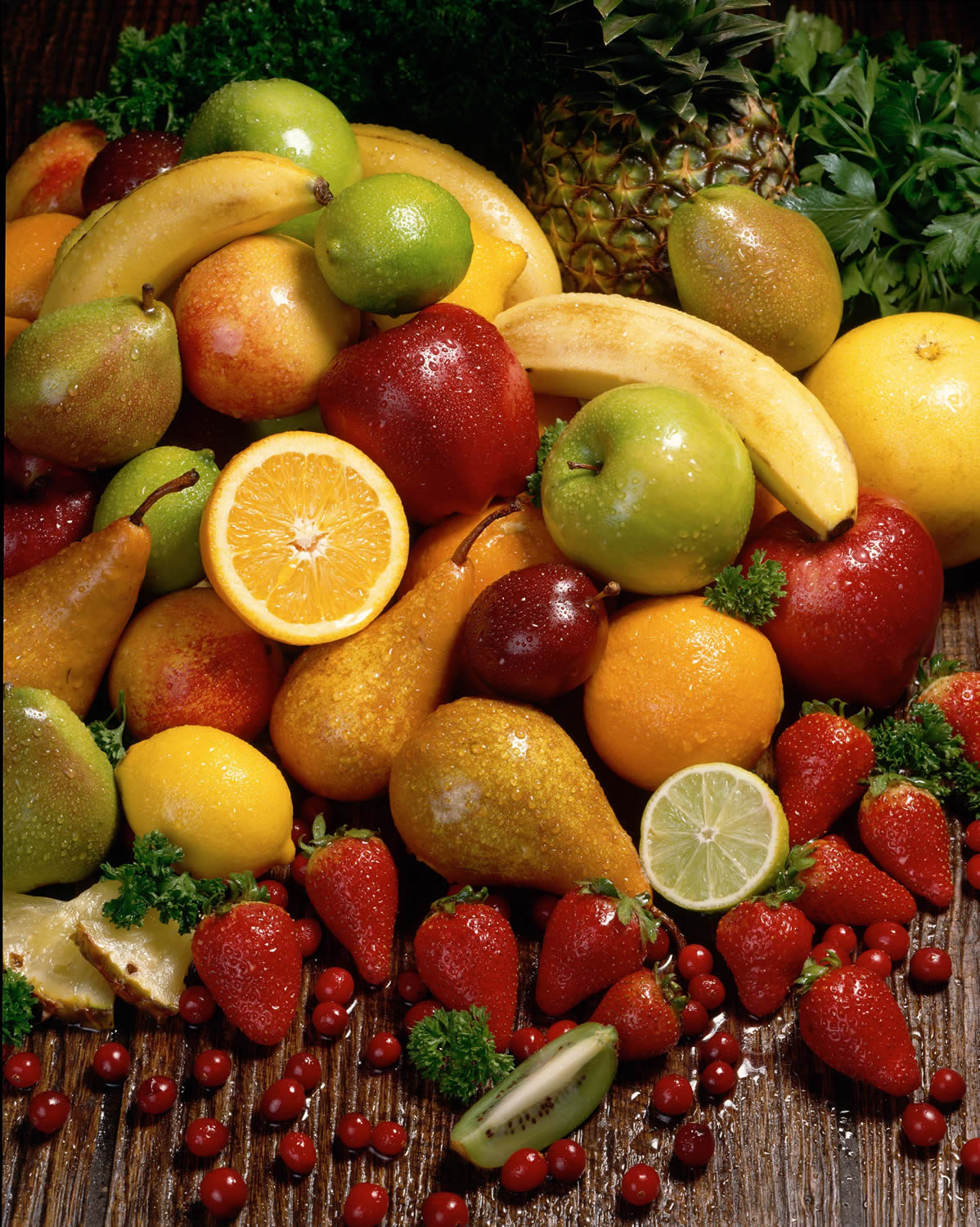
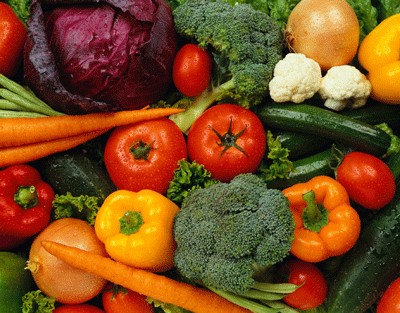
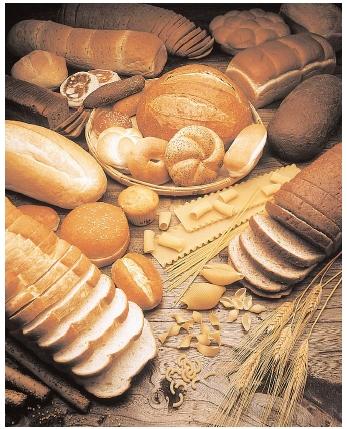
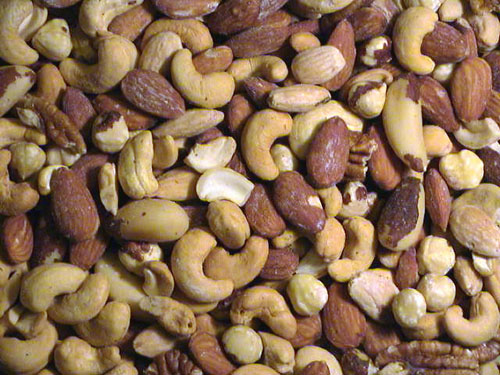
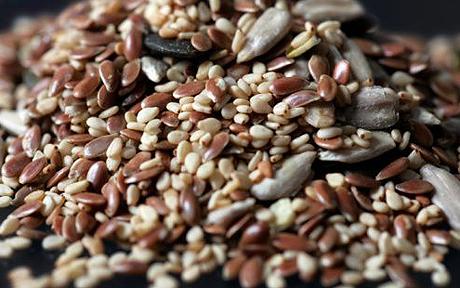
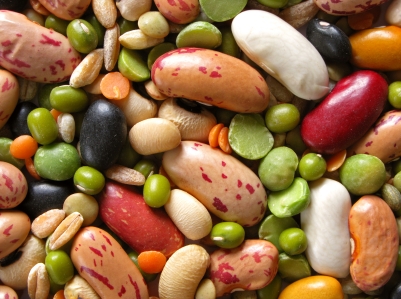
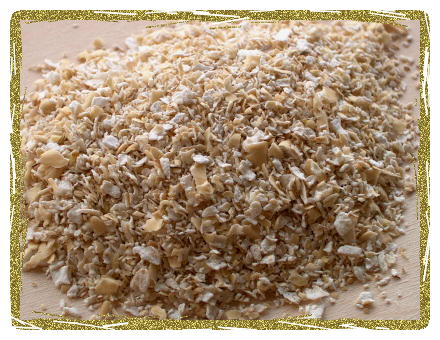
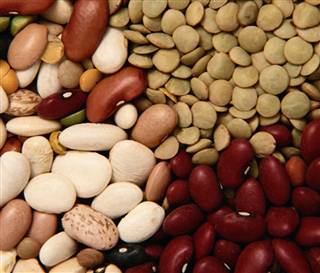
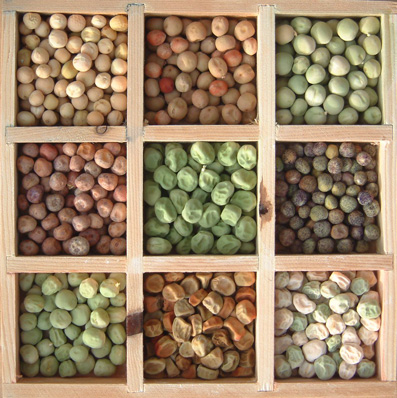
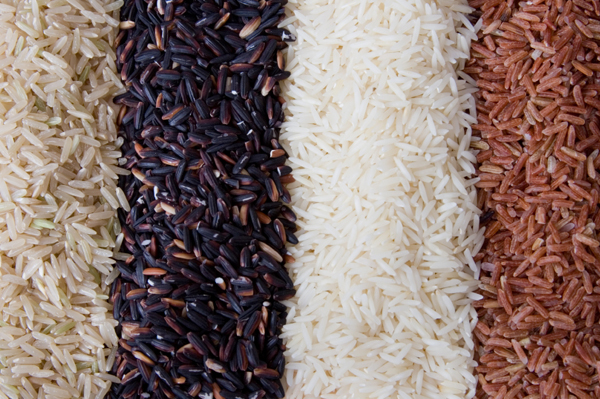
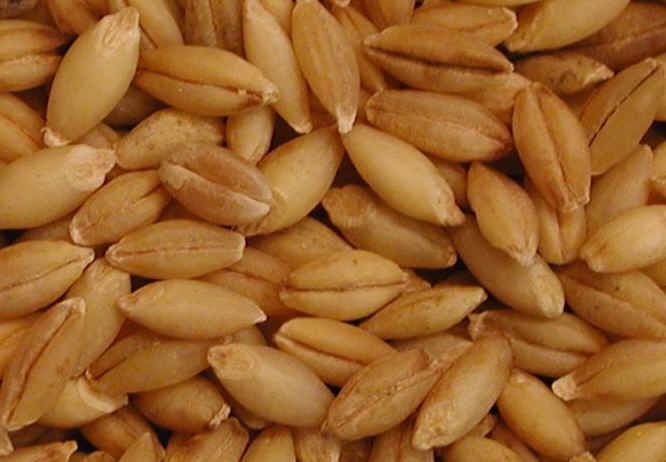
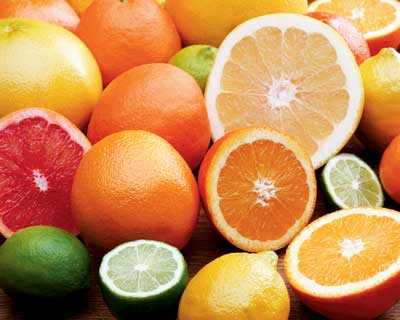
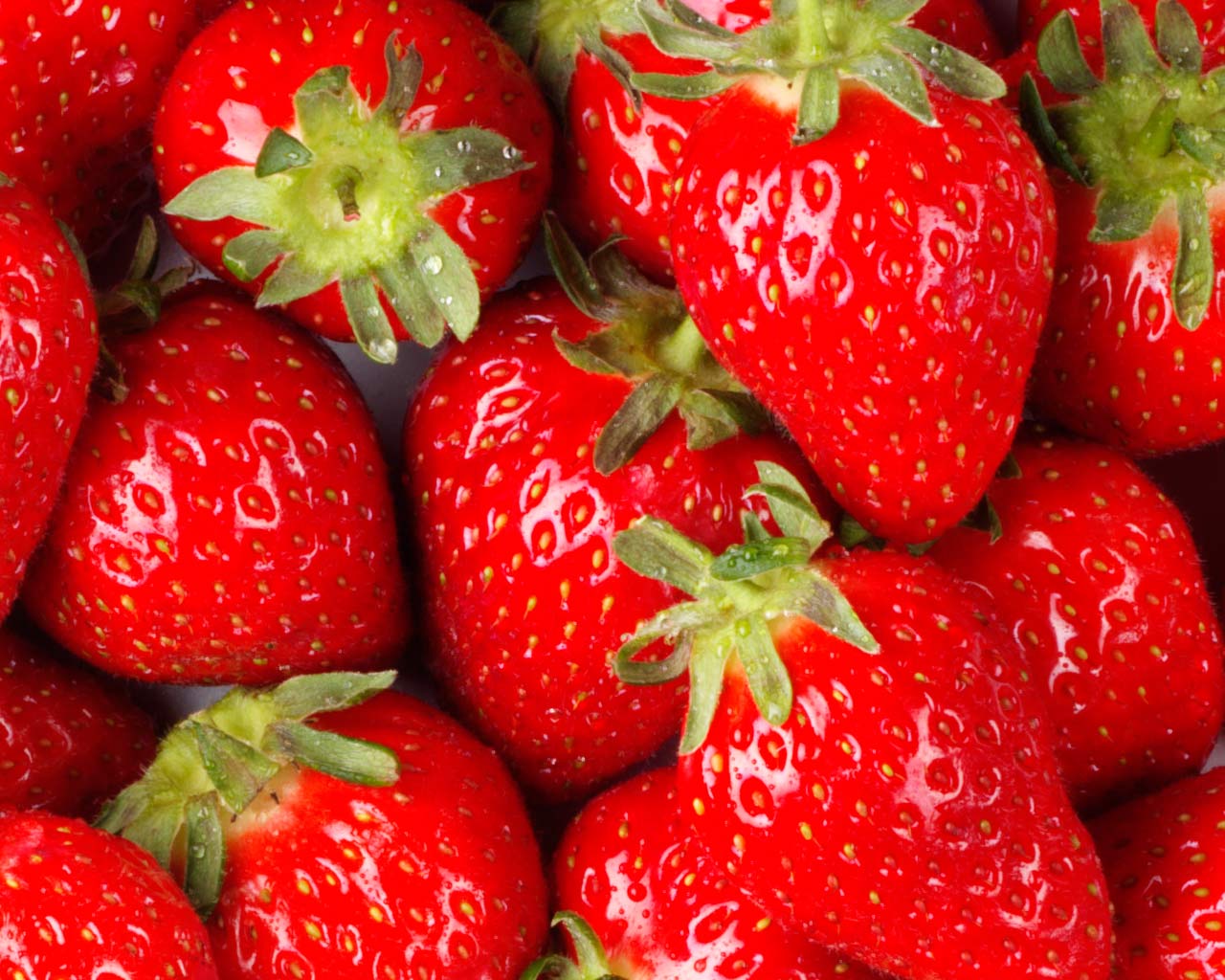
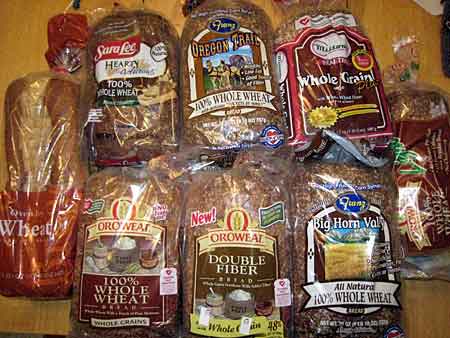
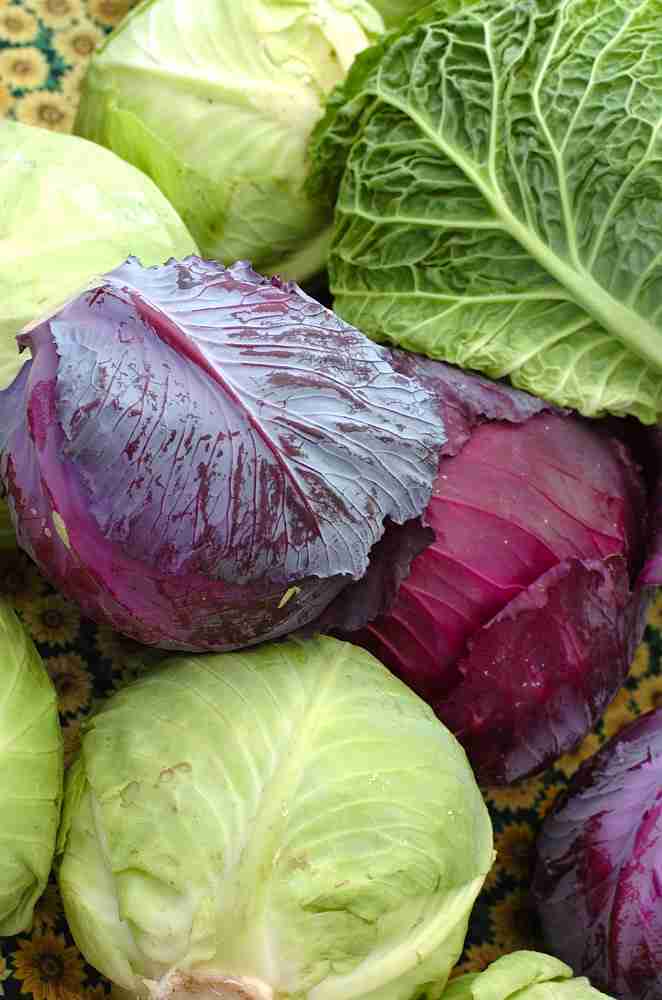
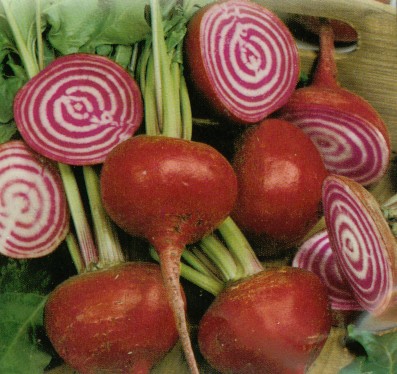
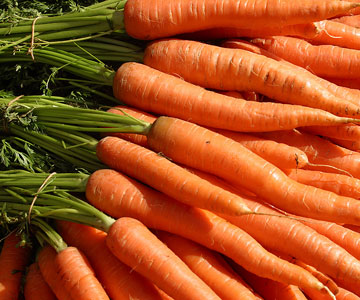
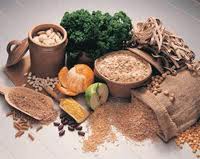
- We get fiber from unprocessed foods such as fruits, vegetables, whole grains, nuts, seeds, and legumes. Some foods high in soluble fiber include oat bran, oatmeal, beans, peas, rice, bran, barley, citrus fruits, and strawberries. Some foods high in insoluble fiber include whole-wheat breads, wheat cereals, cabbage, beets, and carrots.
How much fiber should a person consume daily?
- The Adequate Intake for men ages 31 to 50 years old is 25-30 grams per day.
What are ways to incorporate fiber into my diet?
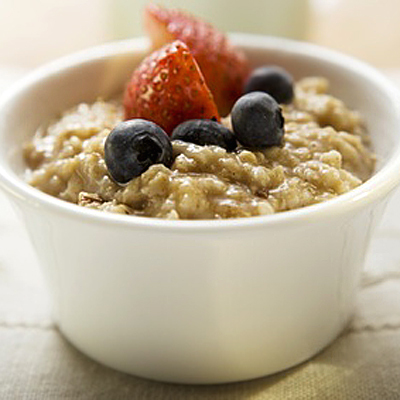
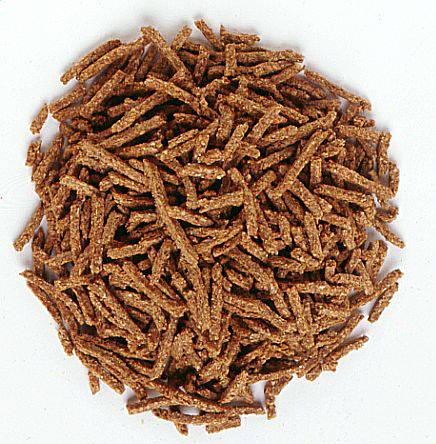
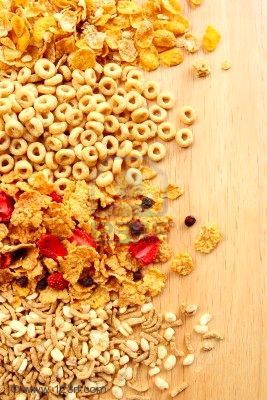
- Try a whole-grain breakfast cereal, it typically contains 8 grams of fiber per 1/2 cup serving. Examples are hot oatmeal, bran flakes, raisin bran, and wheat flakes.
- Choose baked goods made with whole grains. Examples are whole-wheat bagels and breads; make sure the whole grain is listed as the first or second ingredient on the ingredient list (ingredients are always listed in descending order of amount used to make the food).
- Eat fresh or stewed fruit for snacks and desserts, such as berries, oranges, or apricots.
- Eat fruits and vegetables with their peels. The skin typically contains the largest source of fiber for the particular fruit or vegetable. Examples include apples, pears, peaches, and potatoes.
- Add cooked or canned beans, split peas, and lentils to your favorite soups, stews, and salads.